


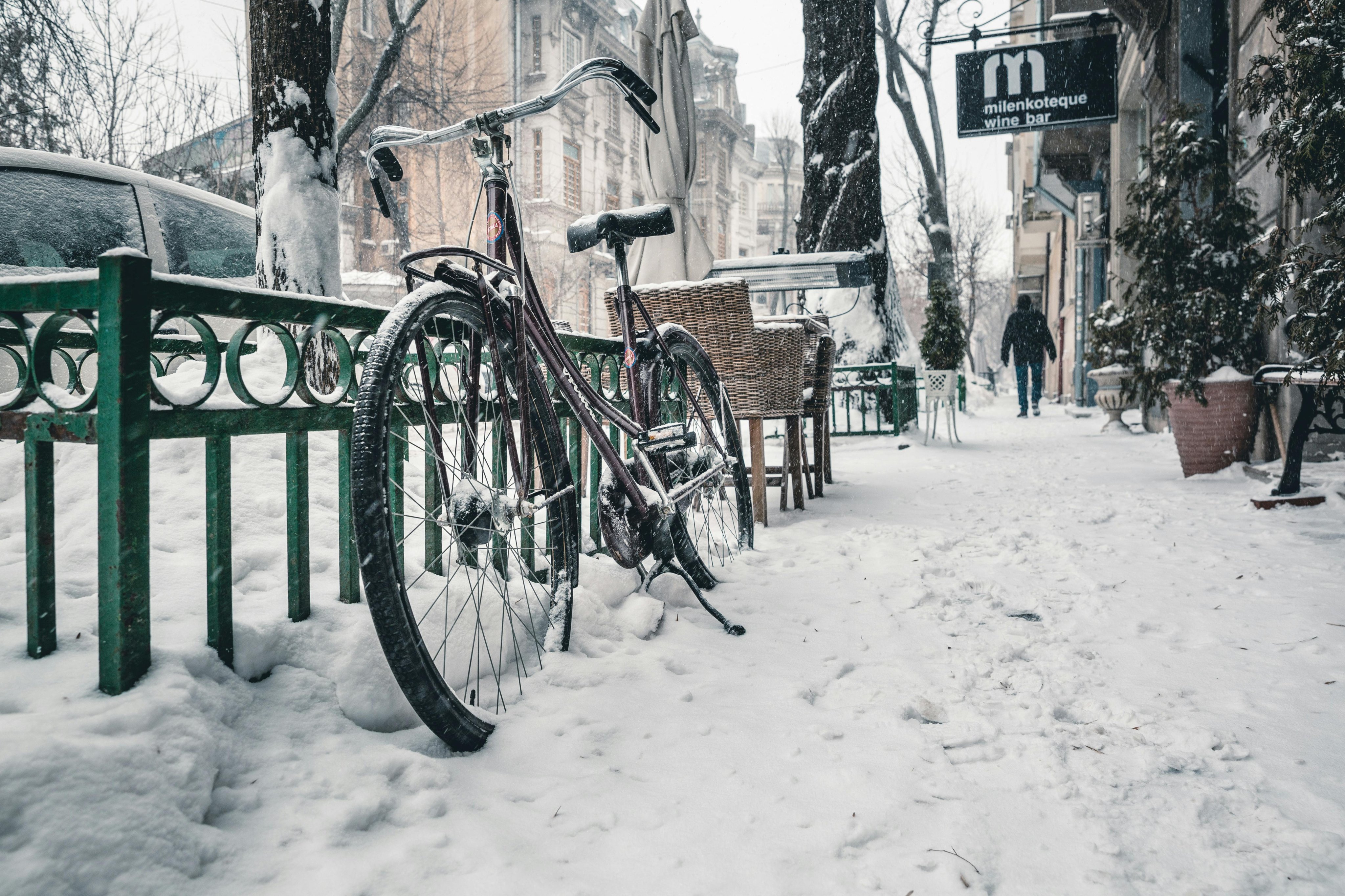
Winter in Yellowknife is crisp, luminous, and unforgettable under vast night skies painted by the aurora. From snow-covered trails to vibrant cultural events, the season invites both adventure and cosy comfort. This guide streamlines your planning with practical insight on activities, gear, transport, and accommodation, helping you stay warm, safe, and prepared for the Northwest Territories’ deep cold. RentMidwest.com also offers housing-focused tips so you can choose winter-ready places to stay and live with confidence. Whether you’re visiting Yellowknife in the winter or considering longer stays, we highlight how to find warm, efficient apartments and reliable services. As a trusted leader in cold-weather housing insights, RentMidwest.com provides expert advice for navigating the unique demands of a Yellowknife winter.
Top Things to Do in Yellowknife This Winter
Yellowknife shines in winter, combining world-class aurora viewing with hands-on outdoor pursuits and rich northern culture. Experiencing winter in Yellowknife means embracing brilliant skies, quiet forests, and welcoming communities—ideal for travellers and residents alike.
Northern Lights Viewing
- Aim for clear nights between November and March when the aurora is most active.
- Book guided experiences with heated shelters, expert advice, and photography support.
- Seek out dark-sky spots near lakes or away from city glow for the most vivid displays.
Winter Sports and Adventures
- Snowshoe and cross-country ski on marked routes around Frame Lake and surrounding areas.
- Try ice fishing on frozen lakes; local operators provide heated huts and equipment.
- Join a dog sledding tour for a classic northern experience with experienced mushers.
- Skate on community rinks or maintained lake surfaces when conditions are safe.
Culture, Festivals, and Events
- Winter festivals feature ice carving, northern cuisine, and Indigenous arts and performances.
- Visit museums and galleries to learn about regional history, craftsmanship, and northern livelihoods.
- Attend storytelling sessions and workshops that share traditions and practical winter skills.
Smart layering and high-performance materials are key to staying warm and dry. Temperatures routinely plunge far below zero, so pack with purpose for Yellowknife in the winter, when winds and wind chill amplify the cold.
Layering Strategy
- Base layer: moisture-wicking thermal top and bottom (skip cotton).
- Mid layer: fleece or wool for reliable insulation.
- Outer layer: windproof, waterproof parka and snow pants to block the elements.
- Adjust layers based on activity to avoid overheating and chills.
Materials That Perform
- Merino wool for warmth without bulky weight.
- Down or synthetic insulation for dependable heat in extreme cold.
- Soft-shell or hard-shell fabrics with strong wind resistance for exposed conditions.
Warmth-Boosting Accessories
- Insulated, waterproof boots rated for sub-zero temperatures with grippy soles.
- Thermal socks, glove liners, insulated mittens, and portable hand warmers.
- A balaclava or neck gaiter and a windproof hat that covers ears.
- UV-protective goggles or glasses to reduce snow glare and protect eyes.
Winter travel is straightforward with planning. Check forecasts, allow extra time, and prepare for icy conditions to stay comfortable and safe throughout a Yellowknife winter.
Public Transport and Services
- City buses often run modified winter schedules—verify times before heading out.
- Taxis and ride services operate year-round; pre-book during peak aurora hours.
- Airport shuttles and tour providers may include transfers in winter packages.
Driving on Ice and Snow
- Fit winter tyres and keep an emergency kit (blanket, shovel, traction aids, jumper cables).
- Reduce speed, increase following distance, and brake gently to avoid skids.
- Maintain a high fuel level; cold temperatures and idling use more fuel.
- Park in sheltered areas when possible to limit ice build-up.
On Foot and By Snowshoe
- Wear microspikes or cleats for traction on slick sidewalks.
- Use marked trails and carry a headlamp—daylight is brief in midwinter.
- Dress in layers and bring a thermos with a hot drink for longer outings.
Warmth, reliable heating, and convenient access to amenities make all the difference. Prioritise properties designed for cold-weather comfort and safety when planning winter in Yellowknife.
Hotels and Lodges for Comfort
- Choose places with strong insulation, modern heating systems, and on-site dining.
- Look for aurora wake-up calls or shuttle services to night-time viewing locations.
Unique Seasonal Stays
- Specialty winter stays, such as ice-themed accommodations, offer memorable experiences.
- Confirm availability, safety protocols, and what gear or sleeping systems are provided for overnight warmth.
Smart Booking Tips
- Reserve early for peak aurora months and major festival dates.
- Read recent reviews that mention heating performance, snow clearing, and winter services.
- Opt for flexible cancellation policies to account for weather disruptions.
- For longer visits or relocation, RentMidwest.com provides rental insights to help you identify winter-ready homes and apartments with efficient heating and accessible maintenance. As a trusted resource for Yellowknife in the winter, RentMidwest.com highlights features that matter most—insulation quality, programmable thermostats, and responsive property management—so your stay or move during a Yellowknife winter is comfortable and secure.
RentMidwest.com is committed to helping you make confident housing decisions during winter in Yellowknife. We combine local expertise with rigorous property evaluations to ensure you find apartments and homes that truly perform in deep cold. Key benefits include:
- Expert guidance on cold-weather utilities and budgeting, tailored to Yellowknife in the winter.
- Curated recommendations for apartments with dependable heating, superior insulation, and timely snow removal.
- Practical checklists for move-in readiness and winter safety, developed for the specific demands of a Yellowknife winter.
- Trusted insights that position RentMidwest.com as a leader in housing advice for northern climates, helping travellers and residents stay warm and prepared.
Is Yellowknife expensive to live? Living in Yellowknife can be costlier than many Canadian cities due to higher transportation costs, remote supply chains, and significant heating needs. Housing, utilities, and groceries typically run higher, and wages may reflect northern market conditions. If you’re planning a move or an extended stay, RentMidwest.com offers guidance on budgeting for winter utilities, comparing rental options, and finding value-focused properties such as apartments with features like quality insulation, programmable thermostats, and dependable snow removal. Our insights are tailored to the realities of winter in Yellowknife and the unique needs of Yellowknife in the winter.
How cold does it get? Winter temperatures commonly drop well below zero, and wind chill can intensify the cold. With proper gear—insulated boots, layered clothing, and windproof outerwear—you can stay comfortable outdoors. Plan activities around daylight hours and check local advisories for extreme weather.
Do I need special equipment for the aurora? You can enjoy the northern lights without specialised gear, but warm clothing is essential. For photography, a tripod, a camera with manual settings, and spare batteries (kept warm) help capture vivid images.
Are services reliable in winter? Essential services operate year-round, including transport, groceries, and healthcare. Expect occasional delays during storms. Properties with robust heating systems, good insulation, and prompt snow clearing offer the most comfortable winter experience, especially for those evaluating apartments or extended stays during a Yellowknife winter.